

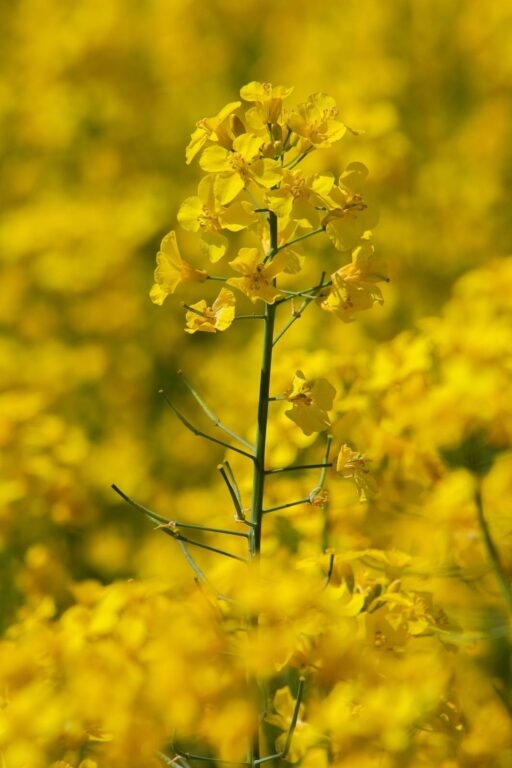
Roughly 80% (around 5 million tonnes) and more than $4.5 billion in farm-gate value per year of canola is shipped overseas and processed into renewable fuels and biofuels. The Port of Esperance already exports large volumes of Esperance-grown canola from farmers in the region, for biofuel production in the European market, making the region a major player in this emerging global industry.
With abundant raw materials and feedstocks such as canola, the Goldfields-Esperance region is well placed to capture future growth in the biofuels sector. This opportunity could drive regional development by creating new markets for growers, supporting jobs, and strengthening regional supply chains and industrial capability.
HEFA biofuel (short for Hydroprocessed Esters and Fatty Acids) made through a refining process converting vegetable oils, waste oils, and fats into sustainable aviation fuel and Anaerobic Digestion (converting wheat straw into hydrogen) are the most commercially mature renewable fuel technologies globally – in operation across Europe, Asia, and North America. WA’s southern grain belt, including the Esperance district, is amongst the most productive canola regions in the southern hemisphere, with significant potential to grow into increased biofuel export and domestic production.
Although there is currently limited biofuel processing in WA, there is significant potential to grow domestic processing of biofuels, including in regional locations such as Esperance, to support domestic supply.
In September 2025, the Australian Government announced the Cleaner Fuels Program, designed to help develop opportunities for uptake of low carbon liquid fuels (LCLF). The Program, delivered by the Australian Renewable Energy Agency (ARENA), will provide up to $1.1 billion in grant funding over ten years to support the development of a domestic LCLF industry.
Under the State Government’s Made in WA vision, DPIRD is leading the development of the Advanced Biofuels Strategy, a detailed framework of what is needed to build a sustainable biofuels industry in WA. To underpin the strategy, a techno-economic analysis of biomass feedstock landscape, supply chains and conversion pathways is needed to help develop a sustainable, viable local biofuels industry.
The strategy is part of a $1.2 million investment to help WA capitalise on competitive advantages and attract investment in biofuel projects. The GEDC welcomes this investment to encourage local manufacturing and value adding industries, promote local energy production, create skilled jobs and increase economic diversification in our region.
The Advanced Biofuels Strategy will maneuver Western Australia into a strong position to capture new market opportunities and drive emissions reduction, while strengthening liquid fuel security.
The Goldfields-Esperance region is well placed to lead in this emerging industry, with ready supplies of feedstock and an innovative agricultural sector.
To read more about a local biofuels project in pre-feasibility development, visit: Australis Biofuels
_____________________________________________________________________________________________
Location: Esperance and surrounds
Project Type: Innovative
Project Phase: Pre-development